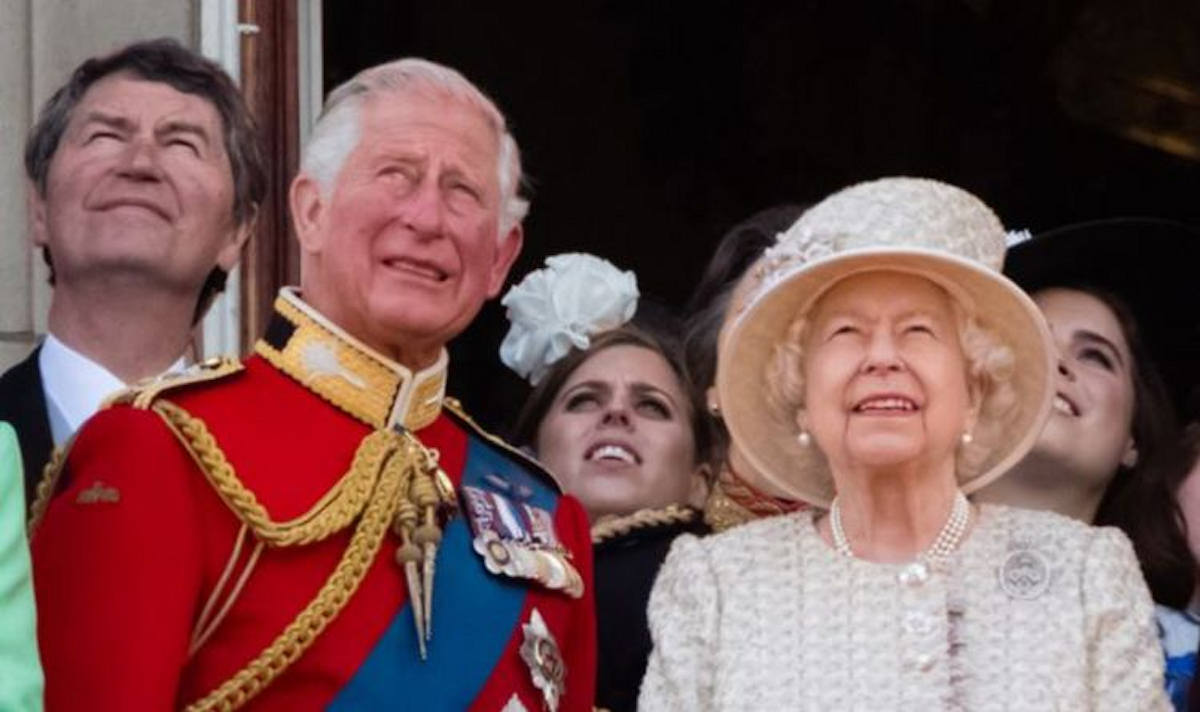
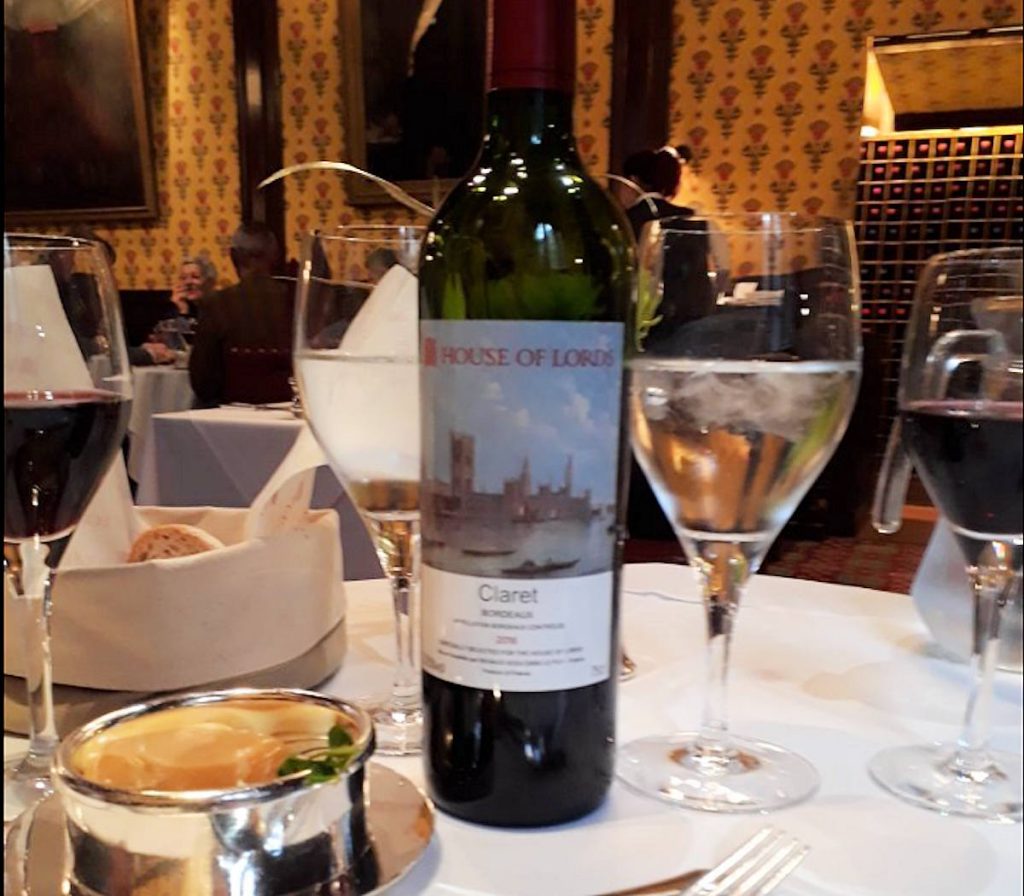
Well fed Lords complained about the food, drinks and facilities in the exclusive, subsidised restaurants and bars on Parliament ground. By the way the cost for the public in London for a full English was averaged at £9 in 2020. Quality of the food varied but the surrounding never quite came up to those of the House of Lords facilities.
Almost £2 million of taxpayers’ money was spent subsidising the exclusive bars and restaurants in the House of Lords in the last year. Restaurants for Lords in the Palace of Westminster are propped up with public cash because many of them make a loss. Probably caused by the undercharging and not reflecting the true cost of the meal.
The Peers’ Dining Room makes the biggest loss of all the facilities, requiring £830,207 to keep it afloat last year.

Well fed Lords enjoy exclusive access to a host of restaurants and bars in the House, which serve food and drink subsidised at taxpayer expense. As stated above that ran out at £2 million in the last year alone. Complaints included the cost of coffee in the dining halls, and that the range of pre-packed sandwiches was “limited” and in “small supply.”
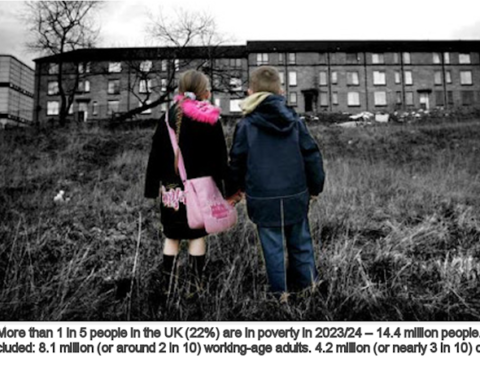
Meanwhile in the same country 1.9 million people relied on food banks.

A family visits the Weston Favell food bank in Northampton.
Alistair Carmichael, the Liberal Democrats ’ Home Affairs spokesman said: ” Boris Johnson stuffing the House of Lords with his dodgy mates is clearly having its effect.
“Instead of playing at Downton Abbey, these peers should be looking beyond their own dinner plate and address the real problems people across the country are facing.”
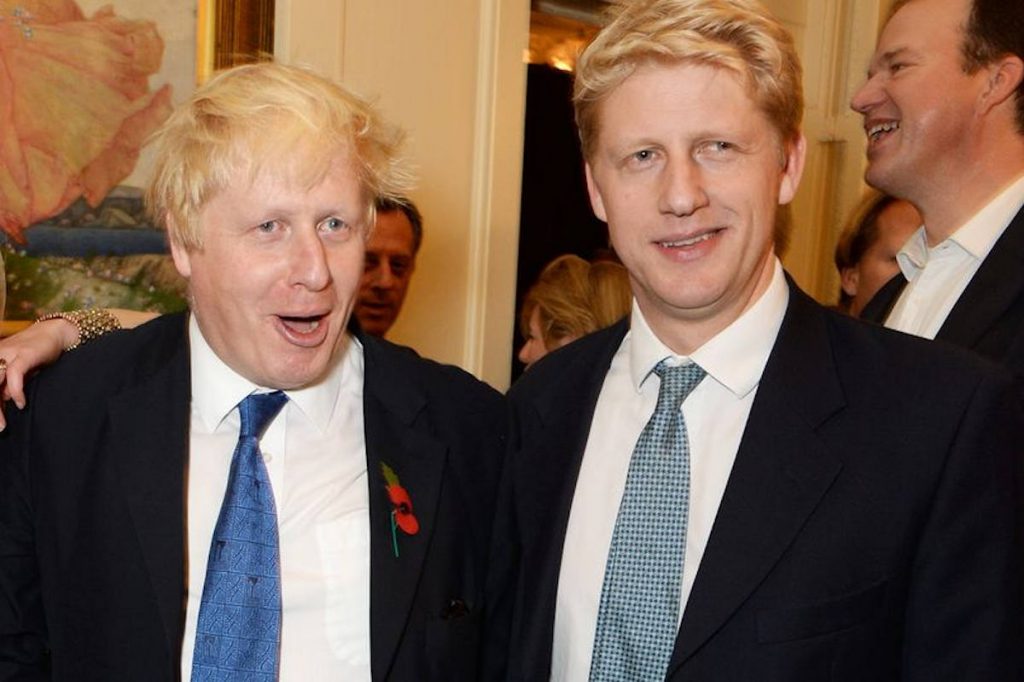
Boris Johnson named 19 new Tory peers this year. Amongst the billionaires was a rather close relative. Joseph Edmund Johnson, Baron Johnson of Marylebone (Boris Johnson’s brother) is a British politician who served as the Member of Parliament for Orpington from 2010 to 2019. That’s just nine years in ‘public service’ followed by a lifetime of £305 a day plus expenses (no work load just turn up) and lovely tax payer subsidised meals and drink. Peers can claim until they die or retire without ever having to face an election. Ain’t democracy great.
Currently this massive costly unelected chamber has 830 members – almost 200 greater than the House of Commons. The Lords chamber can only seat 620 so on a busy day one assumes the rest are forced in to the tax payer bars and restaurants.
Darren Hughes, Chief Executive of the Electoral Reform Society, said the new peers put in during 2020 were likely to cost £1.1m a year based on average claims.
He said: “By appointing a host of ex-MPs, party loyalists and his own brother, the PM is inviting total derision.
“That he can get away with it shows what a private member’s club this house is.”
“The Lords was already the largest second chamber in the world. There are now over 800 unelected peers, voting on our laws for life.
“Is packing the Lords with party loyalists the way a democracy should work?”
The Electoral Reform Society issued a report covering the 2017 year. For many Lords it appears that turning up, having a good cheap meal, collecting the £305 plus expenses and certainly not attending the chamber is what it is all about.
- Lords-a-claiming: 455 Lords claimed more than the average take home pay of full-time employees during the 2016/17 session – despite the house sitting for just 141 days. That’s £43,005 plus expenses.
- 33 inactive peers picked up £462,510 in tax-free expenses – claiming an average of £746 per vote. That’s £14.015 each. Inactive means they did not take part in any debate. Unless it was in the subsidised restraints of course.
- Daily allowance and travel costs for the 2016-17 session came to over £19 million.
- Couch-potato peers: Nearly 1 in 10 of the peers eligible to vote throughout 2016/17 (9.2% – 72 of the 779) are inactive when it comes to scrutinising the government’s work on committees, in the chamber, or through written questions – vital roles for the revising chamber
- A noisy minority: The top 300 voting peers account for over 64% of all votes in divisions during the 2016/17 session – suggesting much of the work of the Lords is done by a minority of peers
- Not so independent: Despite claims that the Lords is less partisan than the Commons, 78% of Conservative peers failed to vote against the government once in 2016/17, while the average Labour Peer voted against the government in 90% of votes
- Meanwhile, Crossbench peers vote far less than partisan Lords – 41% voted fewer than ten times in 2016/17 (compared to 14% for Labour and 7% for the Conservatives)
- An ageing upper chamber: Nearly one in five peers (18%) are over the age of 80– compared to just 6.6% of the over-21 population (only over-21s can sit in the upper house)
- House of Has-Beens?The House hosts 184 ex-MPs, 26 ex-MEPs, 11 ex-MSPs, 8 ex-Welsh AMs, 6 ex-London AMs, 11 ex-MLAs and 39 current or ex-council leaders, as of April 2017.
“The second chamber is demonstrably in need of serious reform. Whether it is the thousands claimed by inactive peers or the dominance of defeated politicians, it is clear that until we let the light in, the rot within the Mother of all Parliaments will only get worse.
“We must see parties commit to a far smaller, proportionally-elected upper house. At a time of significant constitutional, economic and political change, the need for an effective House of Peers or Senate is overwhelming.
“Whatever the final details [of an elected upper house], the principle remains: those who vote on our laws should be accountable to those affected by those laws. As we have shown, that is a matter both of principle and pragmatism.
“Now is no time for minor tinkering; the public call for a real overhaul is loud and clear. Let’s get on with meeting our democratic duty – and give voters the revising chamber Britain needs.”
Let’s not forget that 92 hereditary peers sit in the House of Lords. That’s a place at the trough by birthright.
If ever something needs reforming this is it. Or at the very least let’s make these people pay the going rate for their food and drink.